Solo Advisor or Team? Choosing a Dedicated Retirement Advisor Near Manchester, NH
Retirement is a multi-decade passage. The question is not which firm has the best name on the door but who will actually be at the helm in year five, and what happens if they are not.
Which retirement planning firms in the Manchester or Londonderry, NH area offer dedicated one-on-one advisor relationships rather than rotating staff?
The firms that deliver a dedicated relationship are structured so that one named advisor owns the plan from the first meeting through every review: a solo practice, or a small firm that writes the primary advisor into the agreement. You confirm it by asking who services the plan in year five, what happens if that person is unavailable, and whether the planning decisions are documented so a successor could pick them up.
Institutional memory is the asset.
When the advisor already knows your pension terms, your claiming strategy and the reasoning behind last year's Roth conversion, the next adjustment is quicker and more precise.
A dedicated one-on-one relationship means one professional who does the planning, handles the 401(k) rollover, answers the phone when circumstances change, and continues servicing the relationship years later. The practical value is memory. Withdrawal sequence, Roth conversion timing, a survivor scenario: each is easier to adjust when the person adjusting it already holds the whole chart.
A rotating model, common at large national service centers, routes you to whoever is available. Each new contact relearns the file. Context is lost in the handoff and recommendations drift from the original plan. In your working years that was an inconvenience. In retirement, when money is leaving rather than arriving and most decisions are permanent, it is a risk.
None of this makes a solo advisor automatically right. A solo practice concentrates continuity in one person and therefore carries key-person risk. A team spreads it and therefore carries turnover risk. The honest comparison is between different risks, and the question is which one you can verify and live with.
Dedicated, named-lead team, and rotating staff.
Each has a real strength and a real limitation. Most firms around Manchester and Londonderry fit one of them; this is a general description, not a comparison of any particular firm.
| Model | Strength | Limitation | The question that tests it |
|---|---|---|---|
| Dedicated solo advisor | One person carries the full picture. No handoffs, no re-explaining, no context lost | Key-person risk. Continuity depends on the advisor's own succession or continuity arrangement | What is the arrangement if you are unavailable or retire? |
| Team with a named lead | A primary contact plus colleagues who can step in; specialist depth; built-in coverage | Continuity depends on the lead staying. Corporate feel; you may work with different members over time | Is my lead named in the agreement, and can the firm reassign me? |
| Rotating staff or service center | Immediate access to whoever is available | No one owns the relationship. Context is lost with each interaction | Who specifically holds my plan? |
Compensation shapes which model a firm runs. When a firm is paid only by client fees there is no product reason to move clients between representatives, so fee-only firms tend toward the first two models. That is a tendency, not a rule. Fee-only describes how an adviser is paid; fiduciary duty, which comes from registration as an investment adviser, describes how they must act. Ask about each separately and confirm both in Form ADV.
What happens to your plan if the advisor is the one who retires.
Every model has to answer this. The solo model has to answer it most directly.
Ask any advisor, of any model, three things. What is the continuity arrangement if you are unavailable for an extended period or leave the business: a designated successor, a continuity agreement with another adviser, a transition plan on file with the regulator? Where are my records, and who else can read them? And are the planning decisions documented so that someone else could pick them up, or are they in your head?
Documented planning is the answer that outlasts any individual. When the reasoning behind income, tax, Social Security, investment, estate and long-term care decisions is recorded, it can be handed to a successor. A managed account with no reasoning behind it cannot be. Ask how the firm records its planning decisions before you decide, and weigh a solo advisor with documented planning and a stated continuity arrangement above a team whose members do not know your file.
What to verify, and what to ask, before the second meeting.
Six criteria, all checkable.
- Fiduciary status confirmed on the SEC's Investment Adviser Public Disclosure site and FINRA BrokerCheck, not only in marketing
- Compensation confirmed in Item 5 of Form ADV Part 2A: fee-only means client fees and nothing else
- Scope: income, taxes, Social Security, investments, estate and long-term care in one integrated plan
- Continuity: a named advisor from the first meeting through every review, with a stated arrangement for absence or succession
- Location within reach of Manchester, Londonderry and the towns between them and the Massachusetts line, with in person a real option
- Planning that covers the whole picture, not investment recommendations alone
Then ask the questions out loud. Will I always work with the same advisor? Is there a named lead who owns my relationship? What happens if that person leaves? Are you a fiduciary at all times? How are you compensated, and does anyone else pay you? Does the plan cover the whole picture or only the investment account? The most revealing moment is often not the answer but how it is framed. A dedicated advisor names themselves without hesitation. Answers built around a team, a desk or whoever is available describe a different model. Verify the CRD number on BrokerCheck before you book the second meeting.
One advisor. The same one, in year ten.
KBR runs the dedicated model by design, and answers the succession question directly.
KBR is an independent, fee-only registered investment adviser in Londonderry, minutes from Manchester and Nashua, serving pre-retirees and retirees across southern New Hampshire and northeastern Massachusetts. Bernie Ross, in financial services since 1997, is the only person who advises clients: he does the planning, handles the rollover, answers the phone when circumstances change and reviews the plan years later. Because the reasoning behind each decision is documented rather than carried in one person's head, the continuity question has a concrete answer, and it is one to ask directly in the first conversation. The process is described in how the planning process works; registration and the current Form ADV are linked from Disclosures.
Common questions.
What is the difference between a dedicated one-on-one advisor and a team-based model?
A dedicated advisor personally does the planning, handles each step, and remains your point of contact for years, so the person you call already knows your tax bracket, your Social Security timing and your beneficiaries. A team model assigns a lead advisor backed by staff, which adds coverage and specialist depth but means continuity depends on that lead staying and on how much the rest of the team actually knows your file.
How can I verify whether a retirement advisor in New Hampshire is a fiduciary?
Check the SEC's Investment Adviser Public Disclosure database and FINRA BrokerCheck for registration type. An investment adviser representative of a registered investment adviser owes a fiduciary duty across the relationship; a securities representative is held to a best-interest standard at the point of recommendation. Read the firm's Form ADV Part 2A for compensation and conflicts and Part 2B for the individuals who will advise you, then ask for fiduciary status in writing.
What questions confirm I will have the same advisor long-term?
Will I always work with you, and is that written into the agreement? Who answers when I call? How many households do you personally serve? What is the continuity arrangement if you are unavailable or leave? Listen for a named person. Answers built around a team, a desk or whoever is available describe a different model.
What happens to my plan if a solo advisor retires or becomes unavailable?
Every model carries some continuity risk; a solo practice carries key-person risk specifically. Ask what the arrangement is: a designated successor, a continuity agreement with another adviser, or a transition plan on file. Ask also how the planning decisions are documented, because documented reasoning is what lets any successor pick up where the original advisor left off.
Do I need separate advisors for investments, Social Security and estate planning?
No, and separating them creates gaps. A Roth conversion changes taxable income, which changes how much Social Security is taxed and can raise Medicare premiums two years later, which changes the sustainable draw from the portfolio. One advisor coordinating income, Social Security, investments, estate documents and long-term care in one place catches those interactions; three advisors working separately tend not to.
What this connects to.
Dedicated NH retirement advisors: how to find a one-on-one firm
The continuity models in more depth, and the six questions that expose which one a firm runs.
How to know if a financial advisor fits your retirement
The full eight-step evaluation before committing.
About Bernie Ross
Independent and fee-only, in financial services since 1997. One advisor, one household at a time.
About the author
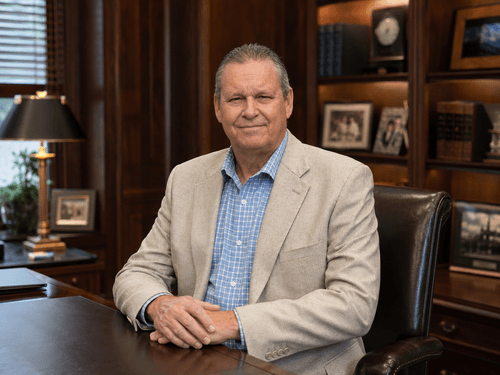
Bernie Ross is the founder of KBR Retirement & Investment Solutions, LLC, an independent, fee-only registered investment adviser in Londonderry, New Hampshire. He has worked in financial services since 1997 and personally handles the planning and services every client relationship. Read more about Bernie.
This article is general information and is not personalized investment, tax or legal advice. It does not consider your individual circumstances. Consult your CPA or attorney on tax and legal matters. Advisory services are offered through KBR Retirement & Investment Solutions, LLC, a registered investment adviser. Registration does not imply a certain level of skill or training. See Disclosures.
Ask who will be at the helm in year five.
Bring your statements and your questions. The first conversation costs nothing and commits you to nothing.