Dedicated NH Retirement Advisors: How to Find a One-on-One Firm
Retirement is a one-way voyage. The advisor who knows your chart at departure should be the one who knows it at harbor. Here is how the continuity models differ, and how to tell which one a firm really runs.
Which New Hampshire advisory firms offer a consistent one-on-one advisor rather than rotating staff?
The firms that deliver a consistent one-on-one relationship are the ones whose structure makes it unavoidable: a single-advisor practice, or a small firm that names your primary advisor in the advisory agreement and does not run a client service team. You confirm it by asking who will be servicing your plan in year five and getting the answer in writing.
The person at the helm matters more than the size of the ship.
A dedicated advisor carries your financial history, your family dynamics and the reasoning behind every prior decision. That retained context is what makes the next decision better.
Retirement planning is a sequence of decisions that depend on each other: when to claim Social Security, which account to draw first, whether to convert to a Roth in a low-income year, how a care event is funded. The advisor who remembers why each earlier choice was made is the one who can see how the next one fits. An advisor meeting you for the first time cannot, no matter how good the questionnaire.
Larger institutions often route clients through service teams, and advisors change firms or are reassigned. Each new face rebuilds context from scratch, and details go missing in the handoff. In your working years that was an inconvenience. In retirement, when money is leaving rather than arriving and most decisions cannot be reversed, it is a risk.
New Hampshire adds a local layer. The state has no broad-based income tax, does not tax Social Security benefits, pensions or retirement account withdrawals, and its interest and dividends tax was repealed effective January 1, 2025. Property taxes vary widely by town. An advisor who knows that landscape charts a safer course than one reading from a national manual. Confirm current rules with your CPA.
How firms actually handle continuity.
Most New Hampshire advisory firms fit one of three structures. The names vary; the mechanics do not.
| Model | How it works | Strength | What to confirm |
|---|---|---|---|
| Single-advisor practice | One advisor personally builds and services every client plan, from first meeting through ongoing reviews | Maximum accountability. One person owns the plan and its follow-through | What is the continuity arrangement if the advisor is unavailable for an extended period? |
| Named-advisor firm | A small firm pairs each client with a primary advisor who stays for the life of the relationship; partners know each other's files | A named person plus a colleague who can step in | Is my primary advisor named in the agreement, and can the firm reassign me? |
| Service-team model | Clients are served by a team or a central desk; the advisor who onboarded you may not be the one who answers the phone | Coverage and scale | Who specifically holds my plan, and how often has that person changed for existing clients? |
Compensation shapes structure. When a firm is paid only by client fees, there is no product reason to cycle clients through different representatives. Fee-only firms are therefore more likely to run one of the first two models. That is a tendency, not a guarantee. Fee-only describes how an adviser is paid; fiduciary duty, which comes from registration as an investment adviser, describes how they must act. Ask about both separately.
Six questions that expose the model.
Every firm says it values relationships. These questions get past the brochure.
- Will I always work with the same advisor, and is that person named in the advisory agreement?
- Who do I call when circumstances change, and who answers?
- How many client households does my advisor personally serve?
- How does the firm handle an advisor's departure or extended absence?
- Is the deliverable a written plan I keep, or only a managed account?
- Are you a fiduciary at all times, and how are you compensated?
The written plan is the continuity tool that outlasts any personnel change. A document that coordinates income, taxes, Social Security, investments, estate and long-term care can be picked up by whoever is next. A managed account with no plan behind it cannot. Ask to see what the firm's written plan looks like before you commit.
Where to check what you were told.
Two public records confirm most of what matters.
The SEC's Investment Adviser Public Disclosure database at adviserinfo.sec.gov holds every registered adviser's Form ADV. Part 2A describes services, fees, conflicts and disciplinary history in the firm's own words. Part 2B lists the individuals who will actually give you advice, which is the direct answer to the continuity question. FINRA BrokerCheck covers anyone who is also a securities representative. Professional designations do not appear on regulatory records; verify those with the organization that issues them.
Then take soundings on fit. Notice whether the advisor listens, explains in plain language and answers the continuity question without hedging. A first meeting that feels rushed or evasive is information. Do not decide in the room.
One advisor, every household.
KBR runs the single-advisor model by design.
KBR is an independent, fee-only registered investment adviser in Londonderry, New Hampshire. Bernie Ross personally builds each client's written plan, integrating retirement income, taxes, Social Security, investments, estate and long-term care into one document, and continues to service that relationship himself. The person who meets you first is the person who handles the rollover, answers the phone when circumstances change, and reviews the plan years later. KBR serves pre-retirees and retirees across southern New Hampshire and northeastern Massachusetts, in person or by video. Tuition and retirement draw from the same money, so late-stage college planning sits inside the same plan. See how the planning process works and Disclosures for registration details and the current Form ADV.
Common questions.
How do I find a financial advisor in NH who will not change every year?
Ask the question directly: will I always work with you, and what happens if you are unavailable? Then look at the structure. Single-advisor practices and small firms that name a primary advisor in the advisory agreement are built for continuity; models that assign clients to a service team or a call center are not. Confirm the answer in writing before you sign, and check the firm's Form ADV Part 2B, which lists the individuals who will actually advise you.
What is the difference between fee-only and fee-based advisors?
A fee-only adviser is paid only by fees the client pays and receives no commissions from product sales. A fee-based adviser charges fees and may also earn commissions, which creates conflicts of interest that must be disclosed. Fee-only reduces the incentive to hand clients between representatives for product reasons, but it describes how an adviser is paid, not how they must act. Fiduciary duty comes from registration as an investment adviser.
Why does fiduciary status matter for retirement planning?
An investment adviser representative of a registered investment adviser owes clients a fiduciary duty of care and loyalty across the whole relationship. Other financial professionals operate under standards that apply at the moment of a recommendation. In retirement, where claiming elections, rollovers and withdrawal sequencing are largely permanent, a duty that covers the relationship rather than the transaction is worth requiring. Ask for it in writing.
Should I choose a single-advisor firm or a team-based firm?
Both can work. A single-advisor practice gives you one person who holds the whole plan and is accountable for it. A small partnership can give you a named primary advisor with a colleague who knows your file if the primary is away. What does not work well in retirement is a rotating service team where no individual owns the plan. Whichever structure you choose, insist on a named primary advisor and a written plan that survives a change in personnel.
What credentials should I look for in a retirement planning advisor?
Start with what you can verify and enforce: registration and disciplinary history on the SEC's Investment Adviser Public Disclosure site. Professional designations such as the CFP® mark or retirement-income designations signal formal training and are verified with the issuing body. Treat them as one input. Ask the advisor to walk you through a retirement income plan they have built, and weigh that more heavily than the letters.
What this connects to.
How to know if a financial advisor fits your retirement
Eight steps to evaluate an advisor before committing, including fiduciary status, fees and red flags.
What a comprehensive retirement plan includes
The six components one advisor coordinates, and why the written plan is the continuity tool.
About Bernie Ross
Independent and fee-only, in financial services since 1997. One advisor, one household at a time.
About the author
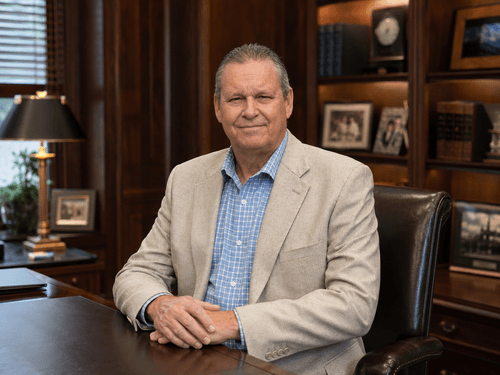
Bernie Ross is the founder of KBR Retirement & Investment Solutions, LLC, an independent, fee-only registered investment adviser in Londonderry, New Hampshire. He has worked in financial services since 1997 and personally builds and services every client plan. Read more about Bernie.
This article is general information and is not personalized investment, tax or legal advice. It does not consider your individual circumstances. Consult your CPA or attorney on tax and legal matters. Advisory services are offered through KBR Retirement & Investment Solutions, LLC, a registered investment adviser. Registration does not imply a certain level of skill or training. See Disclosures.
Meet the advisor who will still be here in year five.
Bring your statements and your questions. The first conversation costs nothing and commits you to nothing.