Questions to Ask a Fee-Only Fiduciary Advisor Before You Hire Them for Retirement Planning
Fee-only and fiduciary are claims until you check them. The right questions turn each claim into something you can verify in a public filing before you sign anything.
What questions should you ask a fee-only fiduciary advisor before hiring them for retirement planning?
Ask whether they are a fiduciary at all times and will confirm it in writing, who pays them and what your all-in annual cost is, who will personally do the work for the life of the relationship, how they approach Social Security timing, withdrawal order and Roth conversions for a household like yours, and what their Form ADV discloses about conflicts and disciplinary history. Then verify each answer on the SEC's Investment Adviser Public Disclosure site.
A title is a claim. An answer is evidence.
Anyone can use the words financial advisor. Fewer can show you the filing that backs them up.
Fee-only describes how an adviser is paid: by clients alone, with no commissions from products. Fiduciary describes a legal duty of care and loyalty that comes with registration as an investment adviser. Both phrases appear on websites and business cards, and neither is checked by the reader unless the reader asks. The purpose of a first meeting is to turn those phrases into specific answers you can hold the adviser to.
Retirement raises the stakes. Claiming elections, rollovers and conversions are largely permanent, and each one can be shaped by how an adviser is paid. A short list of direct questions, asked before you commit and checked afterward, does more to protect you than any credential or ranking. The questions below are grouped by what each answer reveals.
Six questions, and what a clear answer sounds like.
Ask them in this order. Each one narrows what the next answer can be.
Are you a fiduciary at all times, and will you confirm that in writing?
A clear answer is yes, for every account and every recommendation, with the confirmation in the advisory agreement. A qualified answer, such as fiduciary on the managed account but not on insurance or annuity recommendations, tells you the adviser can act under two different standards.
Who pays you, and what will I pay in total each year?
A fee-only adviser is paid only by you and can state the fee in one sentence. Ask for the all-in figure: the advisory fee, the internal expenses of the investments, and any custody or platform charges. The number should match the fee schedule in Form ADV Part 2A.
Who will actually do the work, and who takes over if you cannot?
Find out whether the person in the room is the person who will build the strategy, place the trades and answer the phone in five years. If the firm hands relationships to junior staff or a service team, ask how that works. If it is one adviser, ask what the succession arrangement is.
How would you approach a household like mine?
Ask how they decide when each spouse should claim Social Security, which accounts they would draw from first, how they weigh a Roth conversion against Medicare premium surcharges, and when they would leave money in a workplace plan. Experience shows up as conditional answers that depend on your numbers.
What conflicts does your compensation create, and how do you handle them?
Every fee model has one. An asset-based fee rises with the assets managed, which can color advice about a rollover, paying off a mortgage or spending down savings. A fiduciary names the conflict without being asked twice and explains how it is managed.
What will I find when I look you up?
Ask for the firm's Form ADV Part 2A and the Part 2B supplement for the individual, and ask whether there is any disciplinary history. An adviser who tells you what the record shows before you find it is giving you the most useful answer of the meeting.
Where to check each answer.
Every question above has a public document behind it. Use it.
| Question | A clear answer | Where to verify |
|---|---|---|
| Fiduciary at all times? | Yes, for every account, confirmed in the advisory agreement | Advisory agreement; Form CRS where the firm files one |
| Who pays you? | Clients only; no commissions, 12b-1 fees or revenue sharing | Form ADV Part 2A, Item 5 |
| Total annual cost? | One figure covering the advisory fee, fund expenses and custody charges | Fee schedule in Part 2A; your account statements |
| Who does the work? | A named person, plus a stated succession arrangement | Form ADV Part 2B supplement for the individual |
| Other business activities? | None that pay the adviser outside your fee, or each one disclosed | Form ADV Part 1 and Part 2B |
| Disciplinary history? | None, or disclosed and explained before you ask | SEC Investment Adviser Public Disclosure; FINRA BrokerCheck |
All of these documents are free. State-registered advisers appear in the same SEC database as federally registered ones, and the brochure has to be delivered to you before or when you sign an advisory agreement. For the background on where the duty comes from, see how fiduciary duty is defined and enforced; for the full evaluation process, see how to know if a financial advisor fits your retirement.
Answers that should end the meeting.
Any one of these is worth a second look. Two is a pattern.
- Reluctance to confirm fiduciary status in writing
- A fee you cannot restate in one sentence after hearing it
- A recommendation offered before your situation has been gathered
- Pressure to decide or sign in the first meeting
- A rollover or product suggested without a clear reason it serves you
- A disciplinary record you discover before the adviser mentions it
Plaistow households often reach these questions from both sides of the state line. The town sits on the Massachusetts border beside Haverhill, and many residents built careers at employers across the Merrimack Valley, so a single retirement can involve a Massachusetts workplace plan, a New Hampshire address and two Social Security records that look nothing alike. For Plaistow residents looking for financial advice, retirement planning and retirement income planning, the six questions above matter most where those pieces meet: which account to draw first, how each state treats each source of income, and whether the adviser will coordinate the whole picture rather than manage only the portfolio. KBR Retirement & Investment Solutions serves Plaistow from Londonderry, about half an hour away, and by video.
The same six questions, answered.
An independent, fee-only registered investment adviser in Londonderry, New Hampshire.
KBR Retirement & Investment Solutions, LLC is registered as an investment adviser in New Hampshire and Massachusetts and receives compensation only from its clients. Bernie Ross, in financial services since 1997, is the only person who advises clients, so the person you meet is the person who coordinates your retirement income planning, Social Security planning and any 401(k) or IRA rollover decision. The brochure, fee schedule and every disclosure are linked from Disclosures, and the firm's record is on the SEC's Investment Adviser Public Disclosure site under CRD 126079. Bring these questions to the first conversation.
Common questions.
What is the most important question to ask a fee-only fiduciary advisor?
Ask whether they are a fiduciary at all times in the relationship and whether anyone other than you pays them, and ask for both answers in writing. Those two answers establish the standard of care and the compensation model, and both can be checked against the firm's Form ADV on the SEC's Investment Adviser Public Disclosure site.
How do I verify that an advisor is really fee-only?
Read Item 5 of the firm's Form ADV Part 2A, which describes fees and compensation. A fee-only adviser is paid only by clients, so that section should not mention commissions, 12b-1 fees, revenue sharing or insurance compensation. Then check Part 1 and the Part 2B supplement for any insurance license or broker-dealer affiliation.
What should I ask about cost before hiring a retirement advisor?
Ask for your all-in annual cost as a single figure: the advisory fee, the internal expenses of the investments they would use, and any custody or platform charges. Ask how the fee is calculated, when it is billed and how it changes if your assets change. The answer should match the fee schedule in Form ADV Part 2A.
Which retirement planning questions show whether an advisor has real experience?
Ask how they decide when each spouse should claim Social Security, which accounts they would draw from first, how they weigh a Roth conversion against Medicare premium surcharges, and when they would leave money in a workplace plan. Specific, conditional answers that depend on your numbers signal experience; answers that sound the same for every household do not.
What answers should make me walk away from an advisor?
Reluctance to confirm fiduciary status in writing, a fee you cannot restate in one sentence, a recommendation made before your situation has been gathered, pressure to decide in the first meeting, or a rollover or product suggested without a clear reason it serves you. A disciplinary record the adviser does not raise before you find it is also a reason to stop.
What this connects to.
How to Know if a Financial Advisor Fits Your Retirement
The eight-step evaluation these questions belong to.
What Fee-Only Retirement Planning Costs in Southern NH
How the fee is billed and the one number to ask for.
How Fiduciary Duty Is Defined and Enforced
The Advisers Act, Form ADV and the two-hats problem.
About the author
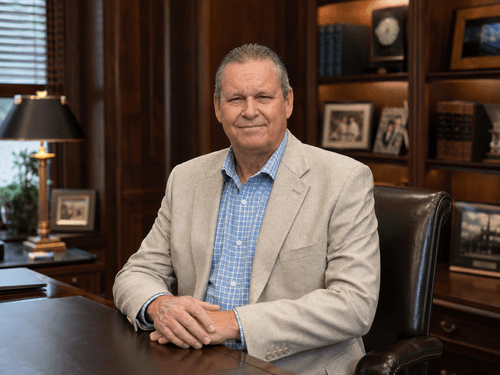
Bernie Ross is the founder of KBR Retirement & Investment Solutions, LLC, an independent, fee-only registered investment adviser in Londonderry, New Hampshire. He has worked in financial services since 1997 and personally handles the planning and services every client relationship. Read more about Bernie.
This article is general information and is not personalized investment, tax or legal advice. It does not consider your individual circumstances. Consult your CPA or attorney on tax and legal matters. Advisory services are offered through KBR Retirement & Investment Solutions, LLC, a registered investment adviser. Registration does not imply a certain level of skill or training. See Disclosures.
Ask KBR the same six questions.
Bring the list to the first conversation. It costs nothing and commits you to nothing.