Fee-Only Fiduciary Retirement Planners in Southern NH: Retiring in the Next Two Years
The final two years before retirement are the approach to harbor. Here is what fee-only and fiduciary actually mean, the six decisions that cannot wait, and how to verify the planner before you hand over your statements.
What should someone retiring in two years look for in a fee-only fiduciary retirement planner in southern New Hampshire?
Look for a registered investment adviser whose Form ADV Part 2A shows fees from clients only, who confirms fiduciary status in writing, who works mainly with people in or near retirement, and who delivers a written plan that settles Social Security timing, Medicare enrollment, withdrawal order, the workplace-plan decision and estate documents before your last day of work.
Fee-only and fiduciary answer different questions.
They are often used together and sometimes used interchangeably. They are not the same thing, and you want both.
Fee-only describes compensation. The adviser is paid only by fees the client pays, whether hourly, flat, retainer or a percentage of assets managed. No commissions, no referral fees, no payments from product providers. Fee-only professional associations define the standard strictly and prohibit members from accepting compensation from anyone other than the client.
Fiduciary describes conduct. An investment adviser representative of a registered investment adviser owes clients duties of care and loyalty under the Investment Advisers Act, across the whole relationship, with full disclosure of conflicts. Securities representatives are held to Regulation Best Interest, which applies at the time of each recommendation. Some advisers are registered in both capacities and switch roles depending on the transaction, which is worth asking about directly.
Fee-only compensation makes fiduciary behavior more likely because it removes the product incentive, but it does not create the legal duty. Fiduciary duty comes from registration. A fee-only fiduciary is a navigator whose only cargo is your safe passage; confirm both halves of that description in writing.
Why southern New Hampshire specifically.
State rules shape the plan, and the two years before retirement are when in-person trust is built.
New Hampshire has no broad-based income tax and no sales tax. It does not tax Social Security, pensions or retirement account withdrawals, and its interest and dividends tax was repealed effective January 1, 2025. Property taxes vary widely by town. Many households in Rockingham and Hillsborough counties also have a spouse working in Massachusetts, a pension from a Massachusetts employer or a plan to move across the line, and Massachusetts taxes most retirement withdrawals and private pensions at its state rate. A planner who works both sides of the border sees those interactions; a national call center does not. Confirm current rules with your CPA.
Proximity matters for a second reason. The transition into retirement is where the most consequential and least reversible decisions get made, and most people want to make them across a table. Look for a planner within reach of Bedford, Windham, Londonderry, Nashua, Manchester, Salem or the Merrimack Valley, with video as the backup rather than the default.
Six decisions that cannot wait for retirement day.
This is the approach to harbor. The plan has to settle each of these before you leave work, not after.
Social Security timing
Claiming age for each spouse, spousal coordination and the survivor benefit, modeled against taxes and other income rather than against a break-even age. For anyone born in 1960 or later, full retirement age is 67; claiming early permanently reduces the benefit and delaying to 70 permanently increases it.
Medicare enrollment and the bridge before it
If you retire before 65, health coverage until Medicare has to be funded. Enrollment windows are strict, late-enrollment penalties are permanent, and the income-related premium surcharge is set by income from two years earlier, which ties Medicare directly to the withdrawal plan.
Withdrawal order and tax sequencing
Which of taxable, tax-deferred and tax-free accounts funds each year, and where Roth conversions fit in the lower-income years between retirement and required minimum distributions. The order matters as much as the amount.
The workplace plan
Roll over, leave in place, or a combination. Each path has different consequences for cost, investment options, creditor protection and tax treatment, and a rollover recommended without that analysis is a red flag.
Sustainable income
A year-by-year spending figure, predictable income assigned to essential expenses, and a portfolio built to fund the rest without forced selling in a bad year. This is a different job from picking investments.
Estate documents and beneficiaries
Will, trusts where they fit, powers of attorney and healthcare directives, reviewed alongside every beneficiary designation. Designations override the will and are the item most often found stale.
How to choose the planner, and where to check the answers.
Ask these seven questions, then confirm each answer in the public record before you sign.
- Are you fee-only or fee-based?
- Are you a fiduciary at all times, and will you confirm it in writing?
- How much of your work is with people retiring within two years?
- What is my total cost, as one number?
- Can I see what your written plan looks like?
- Who will I work with in year five?
- Are you or your firm also registered as a broker-dealer or representative?
Verification lives in four places. The SEC's Investment Adviser Public Disclosure database holds Form ADV: Item 5 of Part 2A discloses every source of compensation, and Part 2B names the individuals who will advise you. FINRA BrokerCheck shows any securities registration. The CFP Board's directory verifies the CFP® mark for those who hold it. Fee-only professional associations maintain member directories as a secondary check. Red flags: reluctance to put fiduciary status in writing, a fee explanation that shifts, pressure toward an insurance product, and a relationship that moves to junior staff after onboarding.
An independent, fee-only fiduciary in Londonderry.
Every item on the checklist above is answered in writing.
KBR Retirement & Investment Solutions, LLC is an independent, fee-only registered investment adviser serving pre-retirees and retirees across southern New Hampshire and northeastern Massachusetts. Bernie Ross personally builds each written plan, covering the six decisions above plus estate, long-term care and, where a family has a student in high school, late-stage college planning, and continues to service the relationship himself. The person who meets you first is the person who handles the rollover and answers the phone years later. Compensation and registration are set out in the Form ADV linked from Disclosures; the planning sequence is described in how the planning process works.
Common questions.
What makes a fee-only fiduciary different from other financial advisors?
A fee-only adviser is compensated solely by fees the client pays, never by commissions or third-party payments. A fiduciary adviser is legally required to act in the client's best interest across the relationship and to disclose conflicts. The two answer different questions, how the adviser is paid and how the adviser must act, and you want both. Confirm compensation in Item 5 of the firm's Form ADV Part 2A and fiduciary status in the advisory agreement.
How far in advance should I hire a retirement planner?
Two to five years before your target date is the useful window. Two years still leaves time to model Social Security claiming, prepare Medicare enrollment, restructure the portfolio for withdrawals and decide what to do with the workplace plan. If you are closer than that, a written plan still adds direction; it simply has fewer options to work with.
What should I expect to pay a fee-only financial advisor in New Hampshire?
Fee-only advisers charge a percentage of assets they manage, a flat planning fee, an hourly rate or a retainer. The number that matters is total cost: the advisory fee plus the internal expenses of the investments used and any custody or platform charges. Ask for it in writing as a single figure and compare it with the fee schedule the firm publishes in Form ADV Part 2A.
Can a fee-only advisor help with Social Security and Medicare planning?
Yes, and in retirement they should be treated together. Claiming age, spousal and survivor benefits, Medicare enrollment windows and the income-related premium surcharge all interact with withdrawal order and taxes. A fee-only fiduciary who delivers a written plan coordinates them; a firm that only manages the portfolio may not. Ask which of these the plan covers.
How do I verify that an advisor is truly fee-only?
Read Item 5 of the firm's Form ADV Part 2A on the SEC's Investment Adviser Public Disclosure site; it must disclose every source of compensation. Check whether the adviser or the firm is also registered as a broker-dealer or representative, which would allow commissions. Membership directories maintained by fee-only professional associations are a secondary check. Then ask the adviser directly whether anyone other than you pays them anything.
What this connects to.
Retirement income planning
The written year-by-year income schedule the two-year window is built around.
401(k) and IRA rollovers
Roll over, stay in plan or combine: how the decision is made without a product behind it.
How to know if a financial advisor fits your retirement
The full eight-step evaluation, including red flags and what to get in writing.
About the author
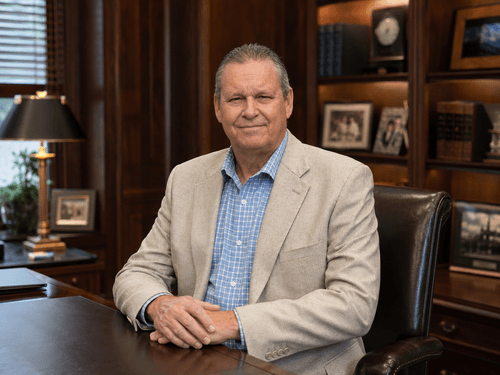
Bernie Ross is the founder of KBR Retirement & Investment Solutions, LLC, an independent, fee-only registered investment adviser in Londonderry, New Hampshire. He has worked in financial services since 1997 and personally builds and services every client plan. Read more about Bernie.
This article is general information and is not personalized investment, tax or legal advice. It does not consider your individual circumstances. Consult your CPA or attorney on tax and legal matters. Advisory services are offered through KBR Retirement & Investment Solutions, LLC, a registered investment adviser. Registration does not imply a certain level of skill or training. See Disclosures.
Two years out is the right time to chart the approach.
Bring your statements, your Social Security estimates and a tax return. The first conversation costs nothing and commits you to nothing.